AI视频检测功能现已上线

获取演示

黑板
抄袭与
AI内容检查器

将 Copyleaks 的强大功能无缝集成到您的 Blackboard 平台。

学术诚信一体化解决方案

在课堂上保持教学的真实性不应该付出高昂的代价。许多竞争对手迫使教育工作者在添加功能或花费巨资购买“附加”工具之间做出选择。Copyleaks 提供了一个全面统一的解决方案,将您所需的所有工具集成在一个平台上,包括人工智能检测、抄袭检测和语法检查。

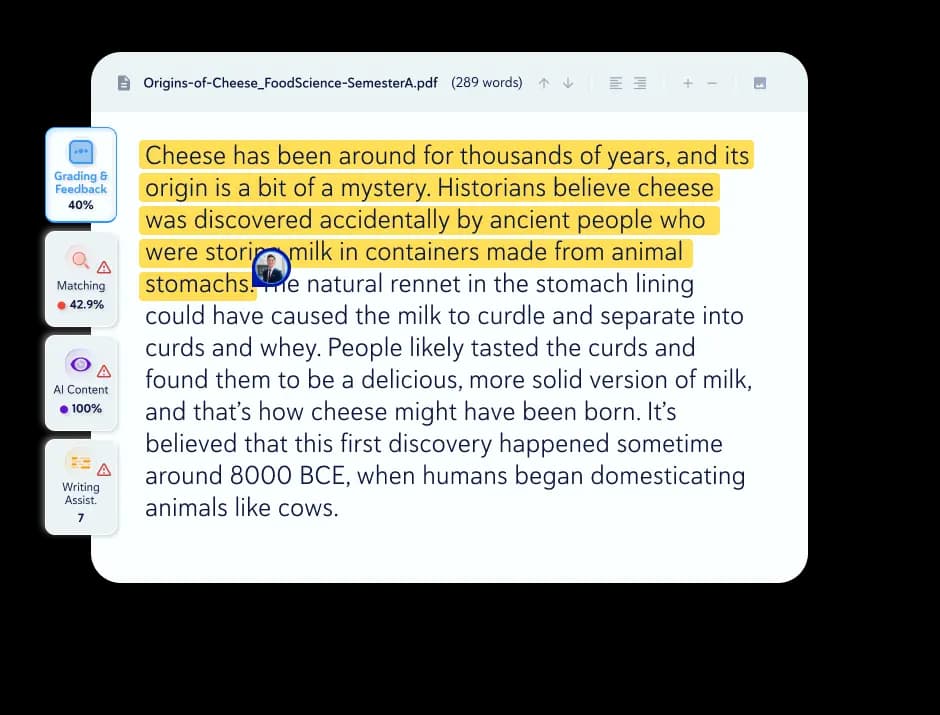
Report on the History of Cheese
Dec 21st, 2024 at 9:30AM Group A Seulgi Kim

Cheese has been around for thousands of years, and its origin is a bit of a mystery. Historians believe cheese was discovered accidentally by ancient people who were storing milk in containers made from animal stomachs. The natural rennet in the stomach lining could have caused the milk to curdle and separate into curds and whey.

People likely tasted the curds and found them to be a delicious, more solid version of milk, and that's how cheese might have been born. It's believed that this first discovery happened sometime around 8000 BCE, when humans began domesticating animals like cows.

As people realized they could make cheese, they started experimenting with different types of milk and methods of preparation. The earliest cheese makers were probably nomadic herders in the Middle East or Central Asia.

Overview

Quick Summary

  • Plagiarism: Decreased to 0%, from last assessment.
  • AI-Generated Content: 32% of the content is AI-generated.
  • Writing Errors: No errors, fewer than average.
  • Historical Author Data: The current assignment plagiarism score of 0% is lower than the average rate of 27%.
Tell Me More Rewrite
Last 90 Days
152
Total Scans
Detection Instances
Contains Writing Corrections 50
Contains AI Text 120
Contains Matching Text 90
No Issues Found 12
Graded
299
Cheats found
23
Originality Over Time
AI Content Detection Avg. 65%
Matching Text Avg. 56%
80% 60% 40% 20% 0% SCORE APR 23 MAY 23 JUN 23 JUL 23 AUG 23 SEP 23 OCT 23 NOV 23
Writing Corrections
80 60 40 20 0 SCORE APR 23 MAY 23 JUN 23 JUL 23 AUG 23 SEP 23 OCT 23
Report on the History of Cheese
Dec 21st, 2024 at 9:30AM Group A Seulgi Kim

Cheese has been around for thousands of years, and its origin is a bit of a mystery. Historians believe cheese was discovered accidentally by ancient people who were storing milk in containers made from animal stomachs. The natural rennet in the stomach lining could have caused the milk to curdle and separate into curds and whey. People likely tasted the curds and found them to be a delicious, more solid version of milk, and that's how cheese might have been born. It's believed that this first discovery happened sometime around 8000 BCE, when humans began domesticating animals like cows.

As people realized they could make cheese, they started experimenting with different types of milk and methods of preparation. The earliest cheese makers were probably nomadic herders in the Middle East or Central Asia.

⋮
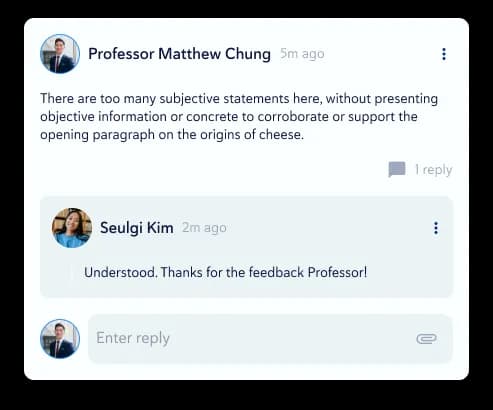
There are too many subjective statements here, without presenting objective information or concrete to corroborate or support the opening paragraph on the origins of cheese.
1 reply
⋮
Understood. Thanks for the feedback Professor!
Enter reply
Report on the History of Cheese
Dec 21st, 2024 at 9:30AM Group A Seulgi Kim

Cheese has been around for thousands of years, and its origin is a bit of a mystery. Historians believe cheese was discovered accidentally by ancient people who were storing milk in containers made from animal stomachs. The natural rennet in the stomach lining could have caused the milk to curdle and separate into curds and whey.

People likely tasted the curds and found them to be a delicious, more solid version of milk, and that's how cheese might have been born. It's believed that this first discovery happened sometime around 8000 BCE, when humans began domesticating animals like cows.

As people realized they could make cheese, they started experimenting with different types of milk and methods of preparation. The earliest cheese makers were probably nomadic herders in the Middle East or Central Asia.

Matching Results (35)
Internet12%
This Batch32%
AI Source Match65%ⓘ
Report on the History of Cheese
Dec 21st, 2024 at 9:30AM Group A Seulgi Kim

Cheese has been around for thousands of years, and its origin is a bit of a mystery. Historians believe cheese was discovered accidentally by ancient people who were storing milk in containers made from animal stomachs. The natural rennet in the stomach lining could have caused the milk to curdle and separate into curds and whey.

People likely tasted the curds and found them to be a delicious, more solid version of milk, and that's how cheese might have been born. It's believed that this first discovery happened sometime around 8000 BCE, when humans began domesticating animals like cows.

As people realized they could make cheese, they started experimenting with different types of milk and methods of preparation. The earliest cheese makers were probably nomadic herders in the Middle East or Central Asia.

AI Content Foundⓘ
80%
AI Logic ⓘ
AI Source Match New 3 Results
88.8%
AI Phrases 44 Phrases
93x
964x
Report on the History of Cheese
Dec 21st, 2024 at 9:30AM Group A Seulgi Kim

Cheese has been around for thousands of years, and its origin is a bit of a mystery. Historians believe cheese was discovered accidentally by ancient people who were storing milk in containers made from animal stomachs. The natural rennet in the stomach lining could have caused the milk to curdle and separate into curds and whey.

People likely tasted the curds and found them to be a delicious, more solid version of milk, and that's how cheese might have been born. It's believed that this first discovery happened sometime around 8000 BCE, when humans began domesticating animals like cows.

As people realized they could make cheese, they started experimenting with different types of milk and methods of preparation. The earliest cheese makers were probably nomadic herders in the Middle East or Central Asia.

Readability Score: Very easy to read
Corrections (305)
Grammar 200 CORRECTIONS
Sentence Structure 20 CORRECTIONS
Word Choice 20 CORRECTIONS
Mechanics 20 CORRECTIONS
Chronological

无缝的 Blackboard 体验

Copyleaks 与 Blackboard 的集成,让您在一个便捷的地方即可轻松获取所需的一切,从而激发学习热情,实现无错写作。

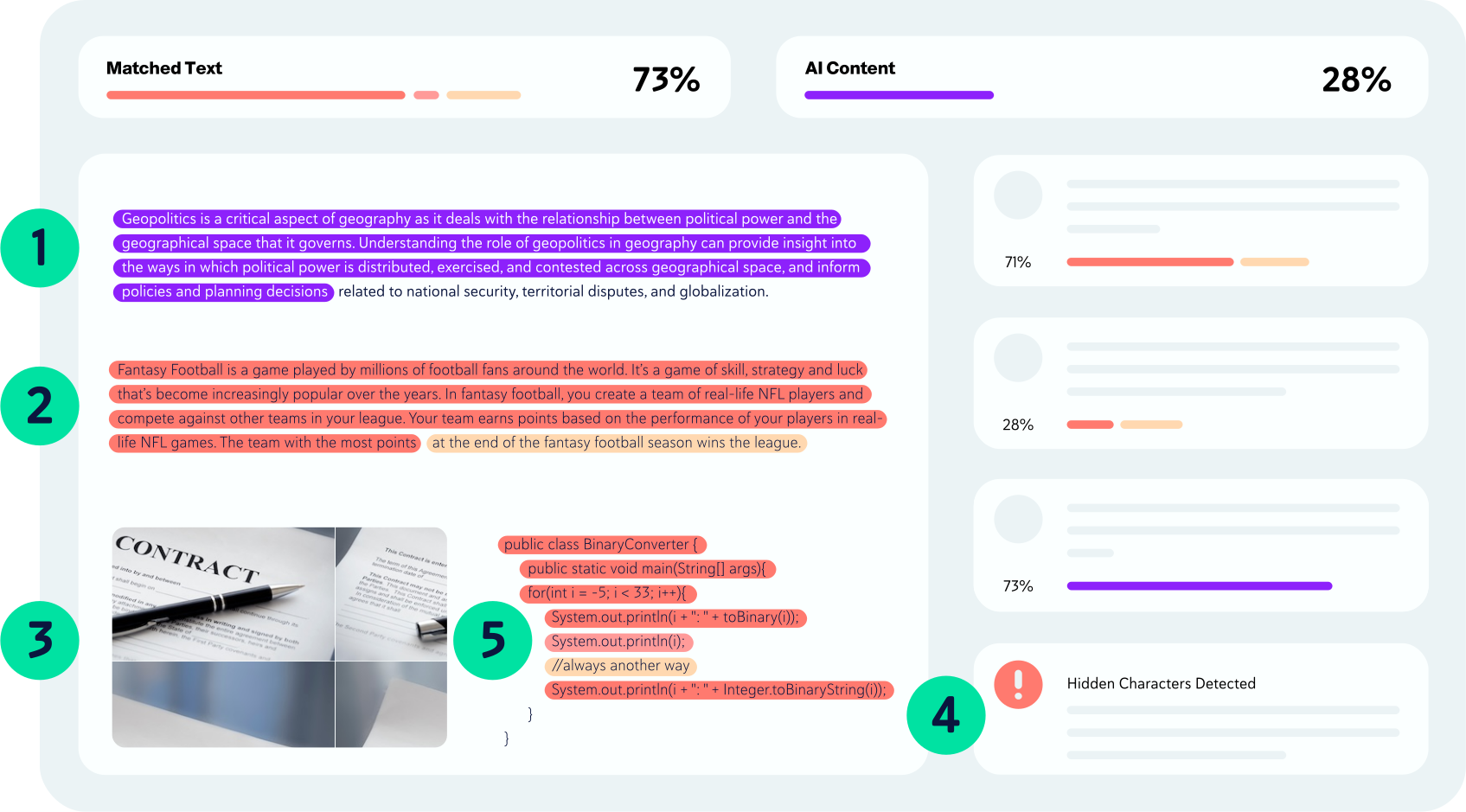
使用唯一一个能够超越逐字逐句检测的平台:

  • 检测来自 ChatGPT、Gemini、Claude 等平台的 AI 生成内容。
  • 检测多种形式的改写,包括源代码。
  • 执行基于图像的文本抄袭
  • 揭露试图欺骗检测软件的企图
  • 检测人工智能生成的源代码和代码抄袭
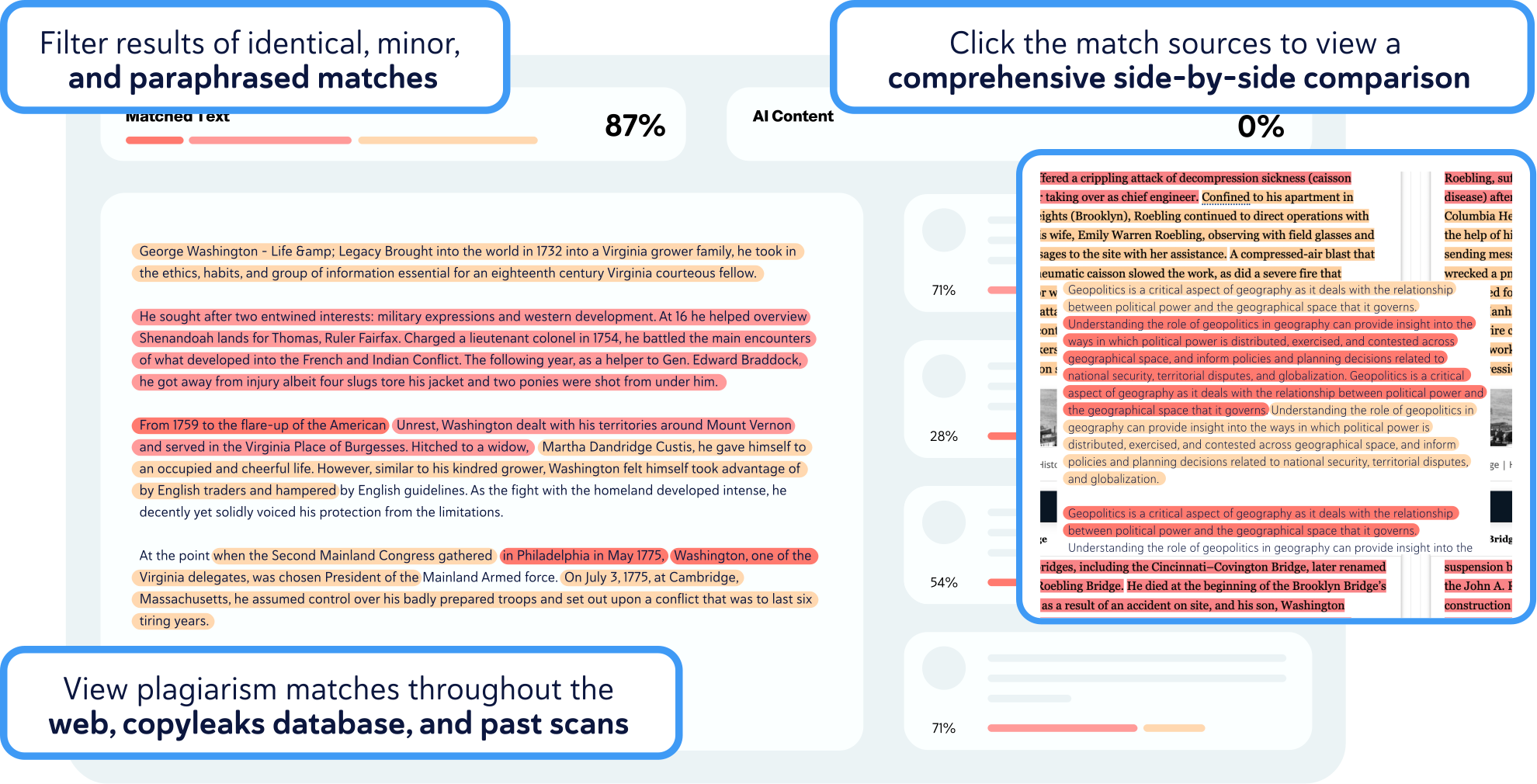
Copyleaks 样本抄袭和人工智能内容报告点击此处查看交互式报告示例

Sample interactive plagiarism report

人工智能逻辑简介

AI 逻辑是一种分层检测方法,它融合了多种分析方法,以便更好地理解 AI 如何影响文本。通过提高AI 检测器结果的透明度和推理能力,教师可以更有信心地把握教学时机。

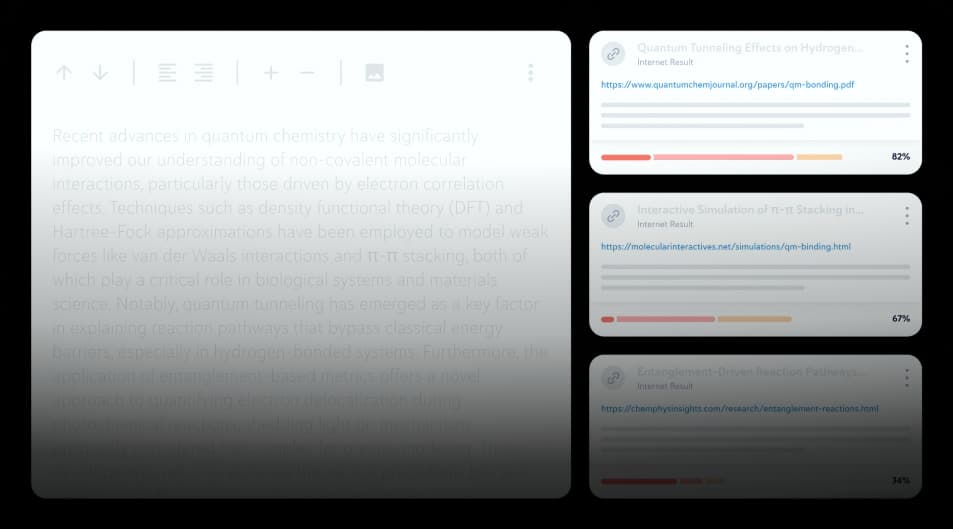
AI 源匹配

评估文本的任何部分是否与其他地方已发布的 AI 生成内容相匹配。

人工智能短语

检测在人工智能编写的文本中比在人类编写的文本中出现频率更高的短语。

阅读更多关于人工智能逻辑的内容

新功能

概述:更聪明地评分,而不是更努力地评分。

评分不应该是一项耗时费力的寻找答案的工作。有了概览功能,您可以快速获取所需的关键信息。

节省时间,更快批改作业

无需再费力翻阅报告。即刻获取一目了然的洞察信息。

发现重复出现的问题

找出规律,并在学生最需要的时候提供帮助。

轻松清晰

概览突出显示关键数据,以便您可以专注于重要事项。

行业首创

没有其他平台能提供如此高的透明度和效率。

LMS集成功能

Crossref 元数据集成

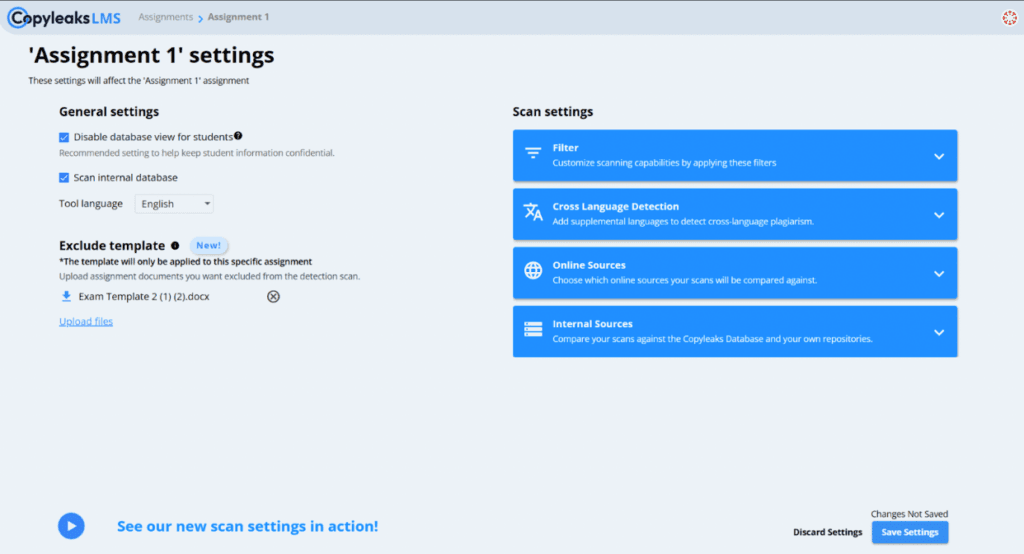
在工作流程中加入书目数据检查。识别扫描文本中出现的已发表内容,并检索其精确引用,以防止意外抄袭。

语法检查器

通过全面的语法纠正、句子结构、语气建议和整体写作规范解决方案,增强写作过程,而无需担心被标记为人工智能。

点击这里了解更多信息。

语法检查器示例

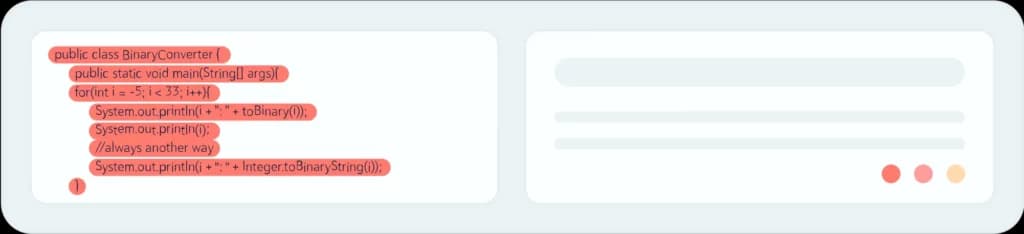
源代码检测

Copyleaks 是唯一能够验证源代码原创性和真实性的平台,包括 AI 生成的代码,识别潜在的代码抄袭,并检测修改后的代码。

源代码扫描示例

全军用级安全

基于云的系统架构、军用级 256 位加密和 SSL 连接以及 100% HTTPS 数据传输,确保您的绝对安全。

符合GDPR标准,并通过SOC 2和SOC 3认证。

访问安全与合规页面。

准备好开始将 LMS 集成到 Blackboard 中了吗?

获取演示