Deepfake Candidates: Why Interview Fraud Is on the Rise
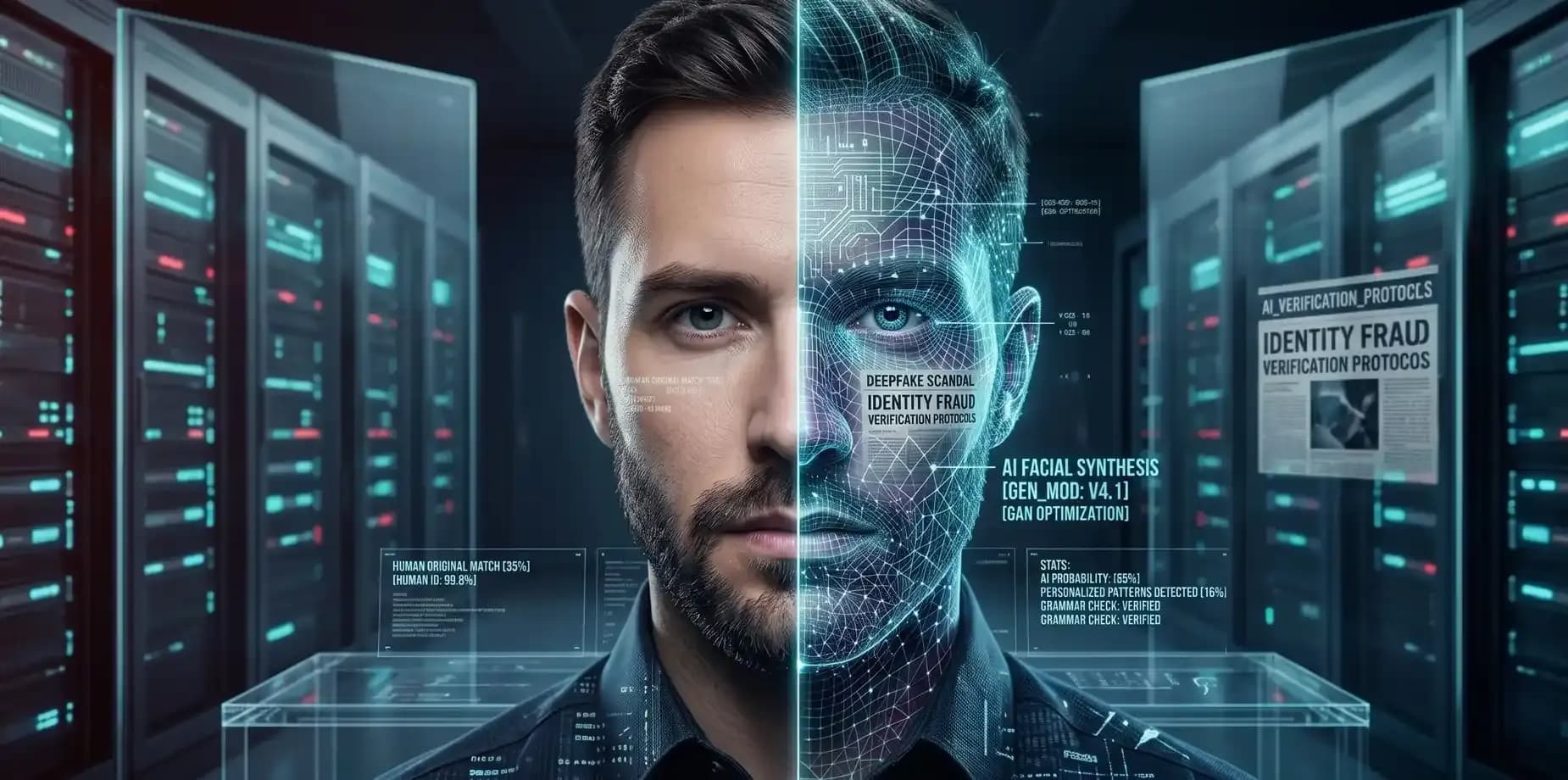
Deepfake videos are pouring into the digital ecosystem, and human resources teams find themselves in the middle of the action. Deepfakes – strikingly realistic AI-generated or manipulated video and audio that appear to depict a real person – have long been weaponized by scammers trying to defraud or extort consumers of businesses.
But scammers have recognized another opportunity and are now deploying fake candidates to apply for jobs and conduct remote job interviews. These AI-generated job seekers can create counterfeit resumés and professional profiles. Technology for creating deepfake video and audio has advanced to the point where a deepfake candidate can conduct an interview with a hiring representative in real time.
Deepfakes are increasingly difficult for the human eye to identify, as generative AI “learns” how to create believable lighting and shading, and to remove digital artifacts that could reveal the video as an AI creation. Additionally, scammers can dictate the AI candidate’s responses on the fly by simply typing them and using a text-to-voice tool.
Deepfakes are serious security threats
HR professionals have likely already been alerted to deepfakes by their IT departments, as these scams pose a significant security threat. The scammers’ goal is to gain access to a business’s systems to obtain credentials and private data. From there, they can launch another wave of scams, creating deepfakes of the company’s own employees and using them to infiltrate business partners’ systems as well.
The deepfake job interview trend is a serious security concern for the business as a whole and prevents HR professionals from doing their best work. Fake candidates get in the way of real candidates, reducing the company’s hiring options and effectively denying skilled talent relevant job opportunities. Deepfake job candidates pose immediate danger to business security and long-term harm to the company’s talent acquisition and growth.
The human eye is no match for modern deepfake tech
The old uncanny valley effects of AI video are now accompanied by synthesized versions of real-life imperfections – surface noise, latency to suggest a weak connection, and filler words in responses. The human eye is conditioned to recognize these imperfections as realness. It needs tech assistance that can efficiently and at scale inspect content for signs of AI, saving valuable time and mental bandwidth for HR teams while providing an essential added security layer for the business’s systems.
Responsible IT teams are training their coworkers to identify common indicators of deepfakes, such as poor audio-video synchronization, blurred borders, and stiff facial expressions. But this is a huge commitment for HR professionals, who already spend significant time vetting and interviewing talent. It’s an exhausting proposition that diverts HR professionals’ attention from the substance of the interview. It’s also unreliable: studies have shown that people generally struggle to identify AI-generated images. In fact, 82% say they’ve mistaken an AI image for a real one.
That’s why AI video and audio detection should be a part of HR’s standard toolkit. The only effective way to curb the threat of fake candidates is to automate the process of inspecting all interviews and materials for signs of generative AI content before interviews begin.
How HR teams can build AI content detection into workflow and prevent fraud
HR teams need robust AI content detection to identify AI candidates, and Copyleaks stands out among AI detection solutions for its accuracy and ease of use. Copyleaks’ Deepfake Detector analyzes images for patterns that indicate the use of generative AI, helping verify whether the image is entirely AI-generated, AI-manipulated, or organic.
Copyleaks provides necessary protection, remaining effective even when image metadata is unavailable. Seamless API integration protects all systems used by recruitment teams and the entire business, enabling companies to uphold their AI policies consistently. Furthermore, Copyleaks provides explanations for why it has flagged content. This enables HR teams to use their best judgment in verifying an image’s origins, even as deepfake technology continues to evolve.
HR teams and leaders have an obligation to their businesses, and to the talent pool, to recruit top-notch talent efficiently and ultimately drive business growth. HR teams need this protection from the early stages of the hiring process, through all employee-candidate touchpoints. HR leaders today are responsible for inspiring senior management to integrate AI content detection into the hiring pipeline and to consider other novel and valuable use cases for AI detection.
Protecting the business and its systems from deepfake candidates requires HR teams to invest in continuous training and to coordinate closely with IT to implement effective and reliable policies. Meanwhile, HR teams must remain educated and up to date on AI use and misuse, and keep pace with evolving trends in AI scams. Copyleaks protection enables teams to achieve cross-departmental goals and focus on hiring and retention strategies that keep the business competitive. As bad actors deploy more and more AI job candidate scams, and as generative AI becomes more realistic, Copyleaks empowers HR teams to separate authentic from synthetic candidates when it matters most.
What are deepfake job candidates and why are they a threat to businesses?Deepfake job candidates are scammers who use AI-generated video, audio, and counterfeit credentials to impersonate real job seekers during the hiring process. Using advanced generative AI, these fake candidates can produce convincing resumés, professional profiles, and even conduct live remote interviews with realistic lighting, facial expressions, and voice synthesis.
How can HR teams detect deepfake candidates during the hiring process?HR teams can detect deepfake candidates most effectively by integrating automated AI content detection into their recruitment workflow, since the human eye is no longer reliable at spotting modern AI-generated video and audio. While training recruiters to recognize indicators like poor audio-video synchronization, blurred borders, and stiff facial expressions adds a layer of awareness, studies show that 82% of people have mistaken an AI image for a real one.