What Is a Deepfake? Here’s What You Need to Know

Deepfakes and cheapfakes have become common obstacles to truth and reliability across the web and social media. What can a respectable business do to avoid being the target of deepfakes and keep them off its own digital properties? Deepfake
The first step is to understand what deepfakes and cheapfakes are – their methodology, commonalities, and the most pressing risks. This knowledge will help business leaders stay vigilant and seek effective deepfake detection tools – an essential part of maintaining the integrity of your brand and your business’s standing among customers, clients, investors, partners, and audiences.
How Are Deepfakes Defined?
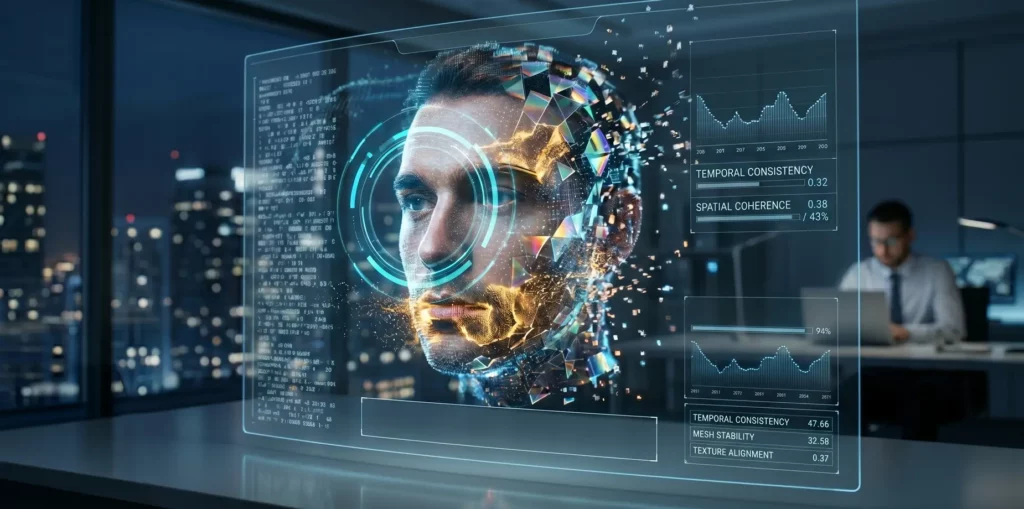
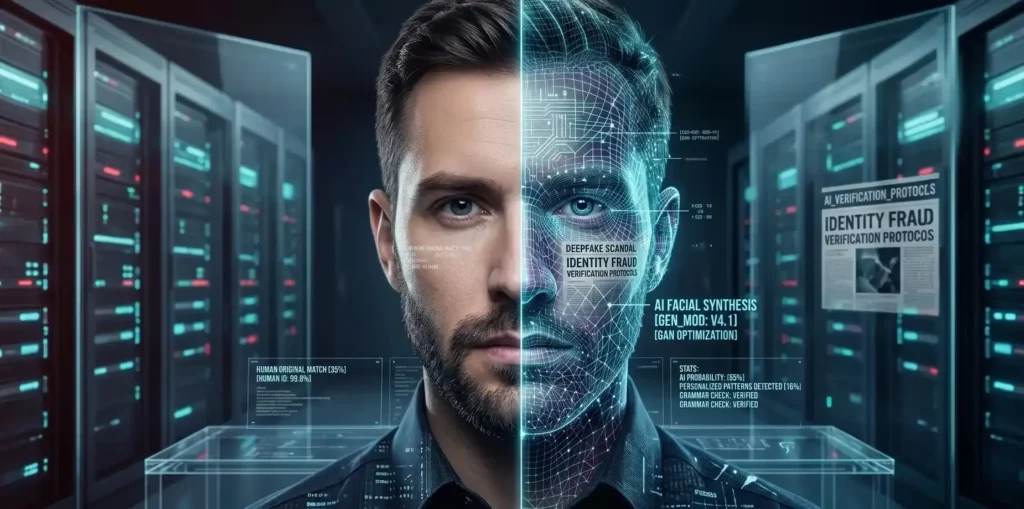
A deepfake is a media asset, either manipulated by or created entirely by AI, that mimics the likeness or voice of a real person in ways that feel realistic without closer inspection. Deepfakes can be images, videos, or audio snippets – or some combination of the three – and they’re particularly effective at fooling audiences because of the detail enabled by AI and deep learning algorithms.
Another reason they’re so effective is that they often depict public figures, such as celebrities and politicians, who naturally command users’ attention. But keep in mind that scammers also regularly create deepfakes of everyday people who have fewer resources to fight back.


High-Profile Deepfake Incidents
- The 2024 U.S. elections: The 2024 election cycle inspired countless deepfakes of well-known political figures. By spreading misinformation and deception, scammers sought to influence the election outcome.
- Taylor Swift deepfakes: Fake, AI-generated explicit images, purporting to be of the singer, quickly spread across social platforms and generated tens of millions of views before being removed.
- The Grok deepfake scandal: ordinary people targeted and harmed by deepfakes. X users discovered the platform’s native AI chatbot, Grok, would create explicit images for them if prompted – even images of minors. The scandal has intensified the call for new legal guardrails around the use and misuse of AI.
Deepfakes’ Risk to Businesses Deepfake
The acceleration of deepfake production poses significant reputational, legal, and financial risks. All business leaders need to understand that their leaders and employees are susceptible to deepfakes, which can hijack your business’s reputation and sow confusion about your message. Every business that creates or syndicates content needs to verify the sources of any media they embed and amplify from social channels. These threats impact any business involved in digital.
What Is a Cheapfake?
A cheapfake is a media asset manipulated with lower-tech methods than deepfakes. Cheapfakes can nonetheless create confusion and misdirection by adding misleading captions or recontextualizing media. Even widely available editing software can create realistic, fast-spreading fakes.
One familiar example of a cheapfake is a fake celebrity endorsement, using altered images of a celebrity and misleading captions. Another example is the phenomenon of footage from one dramatic event – such as a street protest – being presented as from an unrelated event. These incidents are designed to play into or create false narratives to influence discourse and perceptions.



Challenges in Detecting Cheapfakes
While deepfakes pose a significant threat, the prevalence of cheapfakes adds another layer of complexity. Detecting these simpler manipulations requires vigilance and resources, diverting attention from other critical tasks and increasing the burden on teams already combating deepfakes.
How to Begin Spotting and Preventing Deepfakes and Cheapfakes
The task for all businesses in digital is to protect the integrity of their brand, the security of their employees, and the trust of their customers and clients. This should include:
- Educating employees, partners, and clients on telltale signs of AI-manipulated or misattributed media, and providing continuous internal training as threats evolve.
- Implementing a robust process for vetting and verifying the authenticity of all content – including user-generated and third-party content – before it reaches an external audience or influences internal business decisions.
- Taking advantage of advanced AI detection solutions to flag AI-generated or manipulated content without overburdening internal teams.
The Importance of Deepfake Detection Technology
Investing in deepfake detection technology pays off in tangible and substantial ways. In a media landscape where audiences are widely suspicious of content authenticity, demonstrating and upholding authenticity is a competitive advantage. And automated deepfake detection technology streamlines workflows, enabling professionals to focus on forward-looking content and business strategy.
Copyleaks: Leading the Fight Against Deepfakes and Cheapfakes
Effective deepfake detection demands a solution that uses AI to identify AI. Copyleaks is unique among AI-powered deepfake detection solutions and stands out in the marketplace for its comprehensive analysis, multi-language support, and flexible integration into workflows. Copyleaks’ sophisticated machine learning tech identifies deepfakes and cheapfakes in text, images, and video. Its ability to analyze content in over 100 languages makes it an effective solution for a global business.
Deepfake detection technology plays a crucial role, providing the scale and nuance human teams are unable to deliver alone. Look to Copyleaks for the protection you need to safeguard your content, audience, and business against the proliferation of deepfakes and cheapfakes.