La détection vidéo par IA est désormais disponible.

Obtenez une démo

Google Classroom
Plagiat et IA
Vérificateur de contenu

Intégrez facilement la puissance de Copyleaks dans votre salle de classe.

Une solution tout-en-un pour l'intégrité académique

Garantir l'authenticité en classe ne devrait pas être un luxe. Nombre de nos concurrents contraignent les enseignants à choisir entre ajouter des fonctionnalités ou investir des sommes exorbitantes dans des outils complémentaires. Copyleaks propose une solution complète et intégrée qui regroupe tous les outils nécessaires, notamment la détection par IA, la détection du plagiat et la correction grammaticale, le tout sur une seule et même plateforme.

Report on the History of Cheese
Dec 21st, 2024 at 9:30AM Group A Seulgi Kim

Cheese has been around for thousands of years, and its origin is a bit of a mystery. Historians believe cheese was discovered accidentally by ancient people who were storing milk in containers made from animal stomachs. The natural rennet in the stomach lining could have caused the milk to curdle and separate into curds and whey.

People likely tasted the curds and found them to be a delicious, more solid version of milk, and that's how cheese might have been born. It's believed that this first discovery happened sometime around 8000 BCE, when humans began domesticating animals like cows.

As people realized they could make cheese, they started experimenting with different types of milk and methods of preparation. The earliest cheese makers were probably nomadic herders in the Middle East or Central Asia.

Overview

Quick Summary

  • Plagiarism: Decreased to 0%, from last assessment.
  • AI-Generated Content: 32% of the content is AI-generated.
  • Writing Errors: No errors, fewer than average.
  • Historical Author Data: The current assignment plagiarism score of 0% is lower than the average rate of 27%.
Tell Me More Rewrite
Last 90 Days
152
Total Scans
Detection Instances
Contains Writing Corrections 50
Contains AI Text 120
Contains Matching Text 90
No Issues Found 12
Graded
299
Cheats found
23
Originality Over Time
AI Content Detection Avg. 65%
Matching Text Avg. 56%
80% 60% 40% 20% 0% SCORE APR 23 MAY 23 JUN 23 JUL 23 AUG 23 SEP 23 OCT 23 NOV 23
Writing Corrections
80 60 40 20 0 SCORE APR 23 MAY 23 JUN 23 JUL 23 AUG 23 SEP 23 OCT 23
Report on the History of Cheese
Dec 21st, 2024 at 9:30AM Group A Seulgi Kim

Cheese has been around for thousands of years, and its origin is a bit of a mystery. Historians believe cheese was discovered accidentally by ancient people who were storing milk in containers made from animal stomachs. The natural rennet in the stomach lining could have caused the milk to curdle and separate into curds and whey. People likely tasted the curds and found them to be a delicious, more solid version of milk, and that's how cheese might have been born. It's believed that this first discovery happened sometime around 8000 BCE, when humans began domesticating animals like cows.

As people realized they could make cheese, they started experimenting with different types of milk and methods of preparation. The earliest cheese makers were probably nomadic herders in the Middle East or Central Asia.

⋮
There are too many subjective statements here, without presenting objective information or concrete to corroborate or support the opening paragraph on the origins of cheese.
1 reply
⋮
Understood. Thanks for the feedback Professor!
Enter reply
Report on the History of Cheese
Dec 21st, 2024 at 9:30AM Group A Seulgi Kim

Cheese has been around for thousands of years, and its origin is a bit of a mystery. Historians believe cheese was discovered accidentally by ancient people who were storing milk in containers made from animal stomachs. The natural rennet in the stomach lining could have caused the milk to curdle and separate into curds and whey.

People likely tasted the curds and found them to be a delicious, more solid version of milk, and that's how cheese might have been born. It's believed that this first discovery happened sometime around 8000 BCE, when humans began domesticating animals like cows.

As people realized they could make cheese, they started experimenting with different types of milk and methods of preparation. The earliest cheese makers were probably nomadic herders in the Middle East or Central Asia.

Matching Results (35)
Internet12%
This Batch32%
AI Source Match65%ⓘ
Report on the History of Cheese
Dec 21st, 2024 at 9:30AM Group A Seulgi Kim

Cheese has been around for thousands of years, and its origin is a bit of a mystery. Historians believe cheese was discovered accidentally by ancient people who were storing milk in containers made from animal stomachs. The natural rennet in the stomach lining could have caused the milk to curdle and separate into curds and whey.

People likely tasted the curds and found them to be a delicious, more solid version of milk, and that's how cheese might have been born. It's believed that this first discovery happened sometime around 8000 BCE, when humans began domesticating animals like cows.

As people realized they could make cheese, they started experimenting with different types of milk and methods of preparation. The earliest cheese makers were probably nomadic herders in the Middle East or Central Asia.

AI Content Foundⓘ
80%
AI Logic ⓘ
AI Source Match New 3 Results
88.8%
AI Phrases 44 Phrases
93x
964x
Report on the History of Cheese
Dec 21st, 2024 at 9:30AM Group A Seulgi Kim

Cheese has been around for thousands of years, and its origin is a bit of a mystery. Historians believe cheese was discovered accidentally by ancient people who were storing milk in containers made from animal stomachs. The natural rennet in the stomach lining could have caused the milk to curdle and separate into curds and whey.

People likely tasted the curds and found them to be a delicious, more solid version of milk, and that's how cheese might have been born. It's believed that this first discovery happened sometime around 8000 BCE, when humans began domesticating animals like cows.

As people realized they could make cheese, they started experimenting with different types of milk and methods of preparation. The earliest cheese makers were probably nomadic herders in the Middle East or Central Asia.

Readability Score: Very easy to read
Corrections (305)
Grammar 200 CORRECTIONS
Sentence Structure 20 CORRECTIONS
Word Choice 20 CORRECTIONS
Mechanics 20 CORRECTIONS
Chronological

Une expérience en classe sans faille

Favorisez l'apprentissage et une écriture sans fautes tout en conservant tout ce dont vous avez besoin au même endroit grâce à l'intégration de Copyleaks avec Google Classroom.

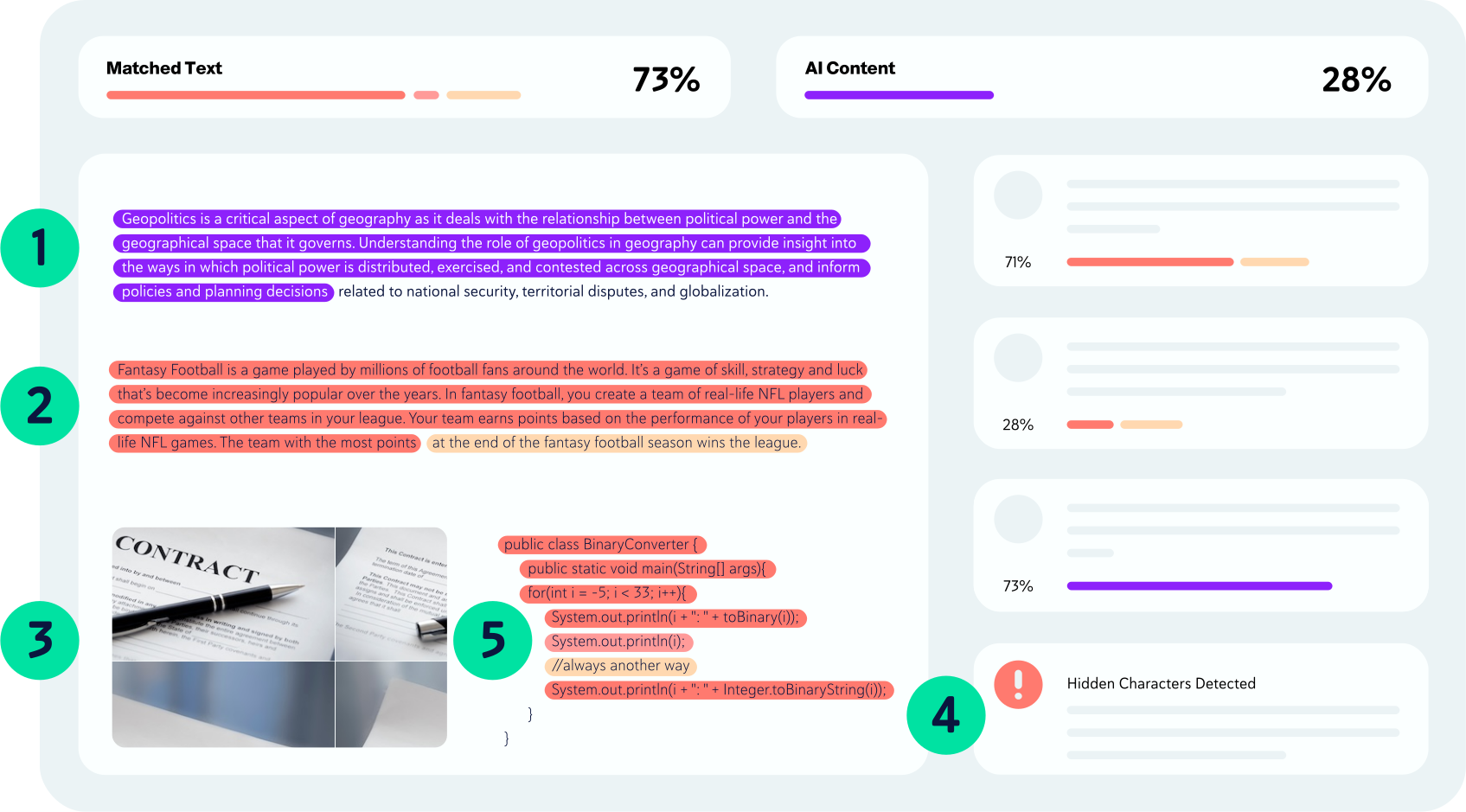
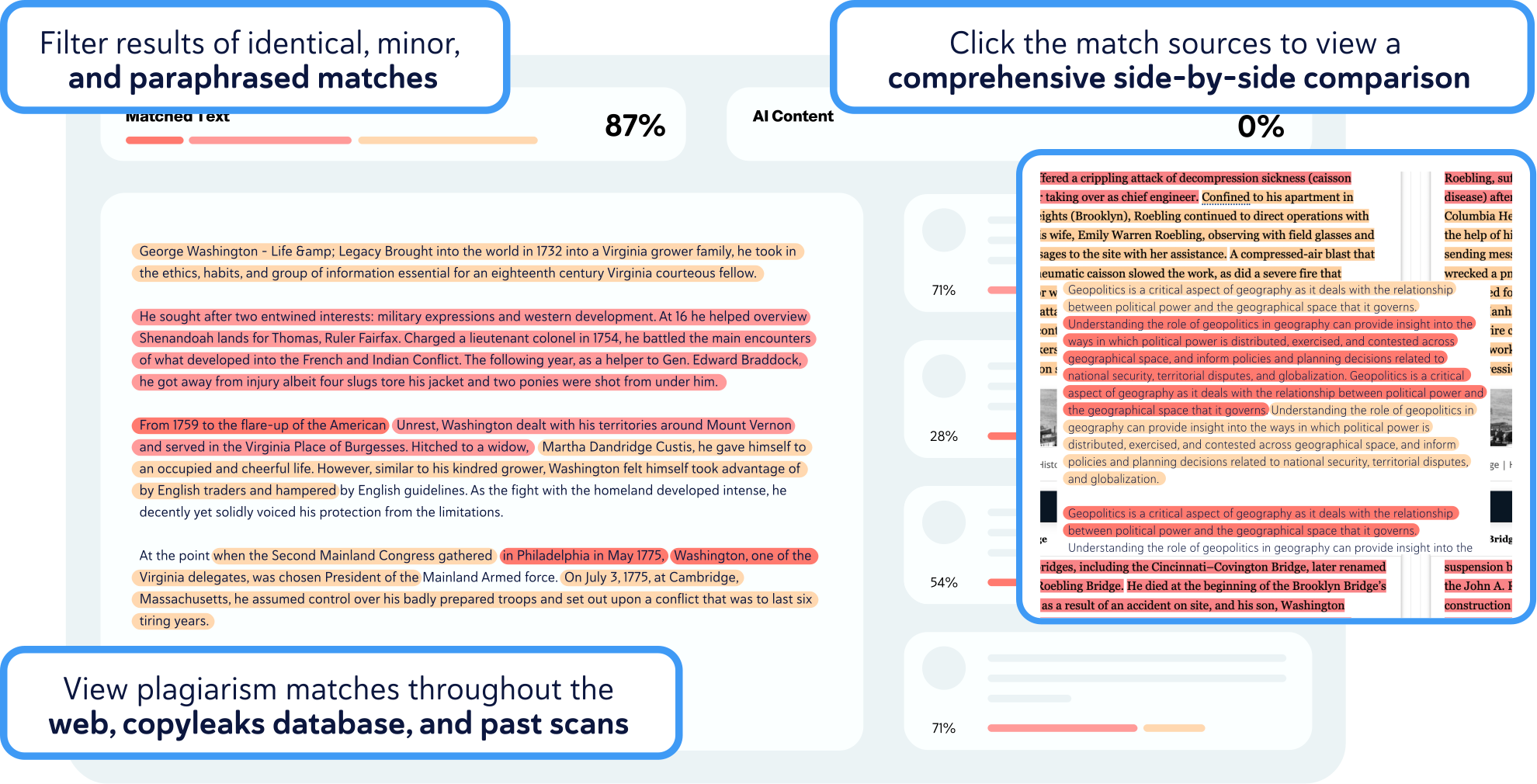
Allez au-delà de la simple détection mot à mot grâce à la seule plateforme qui :

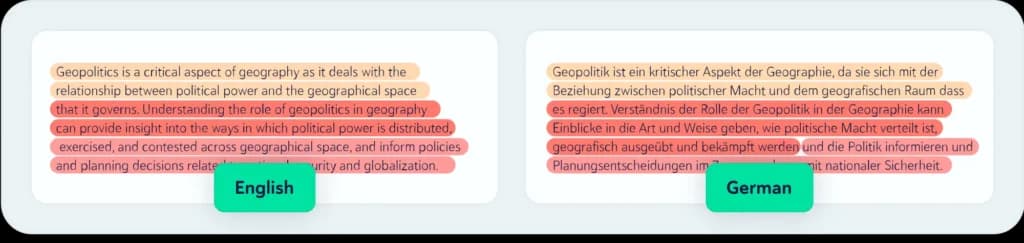
  • Détecte le contenu généré par l'IA provenant de ChatGPT, Gemini, Claude et bien d'autres.
  • Détecte plusieurs formes de paraphrase, y compris le code source
  • Effectue du plagiat de texte basé sur l'image
  • Démasque les tentatives de tromper les logiciels de détection.
  • Détecte le code source généré par l'IA et le plagiat de code
Exemple de rapport Copyleaks sur le plagiat et le contenu IACliquez ici pour consulter un exemple de rapport interactif

Sample interactive plagiarism report

Présentation de la logique de l'IA

AI Logic est une approche de détection multicouche qui combine plusieurs méthodes d'analyse pour mieux comprendre l'influence potentielle de l'IA sur un texte. Grâce à une plus grande transparence et à une explication détaillée des résultats de AI Detector , les enseignants sont mieux armés pour aborder les situations d'apprentissage avec assurance.

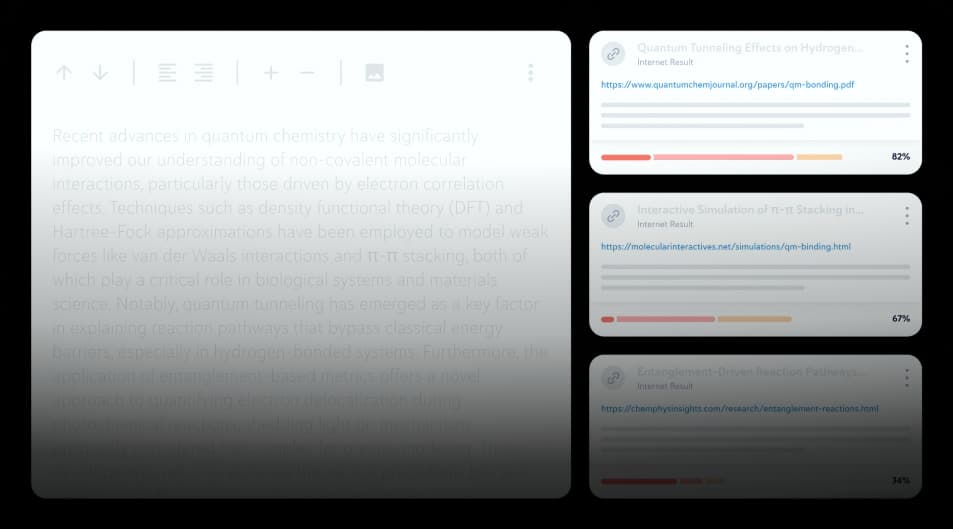
Correspondance de source IA

Évalue si une partie quelconque du texte correspond à du contenu généré par l'IA déjà publié ailleurs.

Phrases d'IA

Détecte les expressions qui apparaissent plus fréquemment dans les textes rédigés par l'IA que dans les textes écrits par des humains.

En savoir plus sur la logique de l'IA

NOUVELLE FONCTIONNALITÉ

Aperçu : Évaluer plus intelligemment, pas plus difficilement.

L'évaluation ne devrait pas être une recherche fastidieuse d'informations. Avec Vue d'ensemble , vous obtenez rapidement les informations clés dont vous avez besoin.

Gagnez du temps, corrigez plus rapidement

Plus besoin de passer des heures à éplucher des rapports. Obtenez des informations instantanées et synthétiques.

Repérer les problèmes récurrents

Identifier les tendances et aider les élèves là où ils en ont le plus besoin.

Clarté sans effort

L'aperçu met en évidence les données essentielles pour que vous puissiez vous concentrer sur ce qui compte.

Une première dans l'industrie

Aucune autre plateforme n'offre ce niveau de transparence et d'efficacité.

Fonctionnalités d'intégration LMS

Intégration des métadonnées Crossref

Intégrez la vérification des données bibliographiques à votre flux de travail. Identifiez les contenus publiés présents dans le texte numérisé et récupérez leurs citations exactes afin d'éviter tout plagiat involontaire.

Correcteur grammatical

Optimisez votre processus d'écriture grâce à une solution complète pour la correction grammaticale, la structure des phrases, les suggestions de ton et la mécanique générale du texte, sans craindre d'être identifié comme une IA.

Pour en savoir plus, cliquez ici .

Exemple de correcteur grammatical

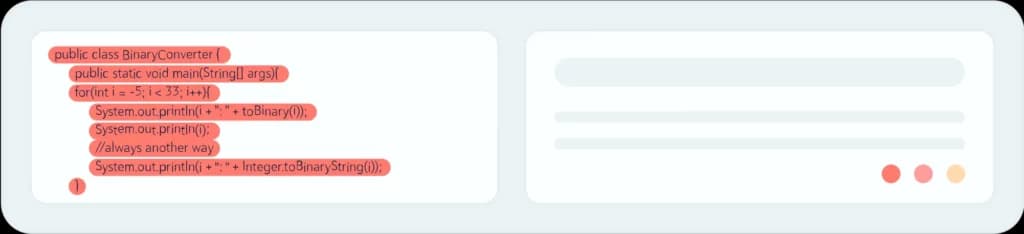
Détection du code source

Copyleaks est la seule plateforme capable de vérifier l'originalité et l'authenticité du code source, y compris le code généré par l'IA, de reconnaître les cas potentiels de plagiat et de détecter le code modifié.

Exemple d'analyse de code source

Sécurité de niveau entreprise

Une architecture système basée sur le cloud, un chiffrement de niveau militaire 256 bits avec connexion SSL et un transfert de données 100 % HTTPS garantissent votre sécurité et votre sûreté complètes.

Consultez les pages Sécurité et Conformité .

Prêt à commencer l'intégration LMS pour Google Classroom ?

Obtenez une démo