AI Deepfake Apps Hide in Plain Sight on Apple’s App Store
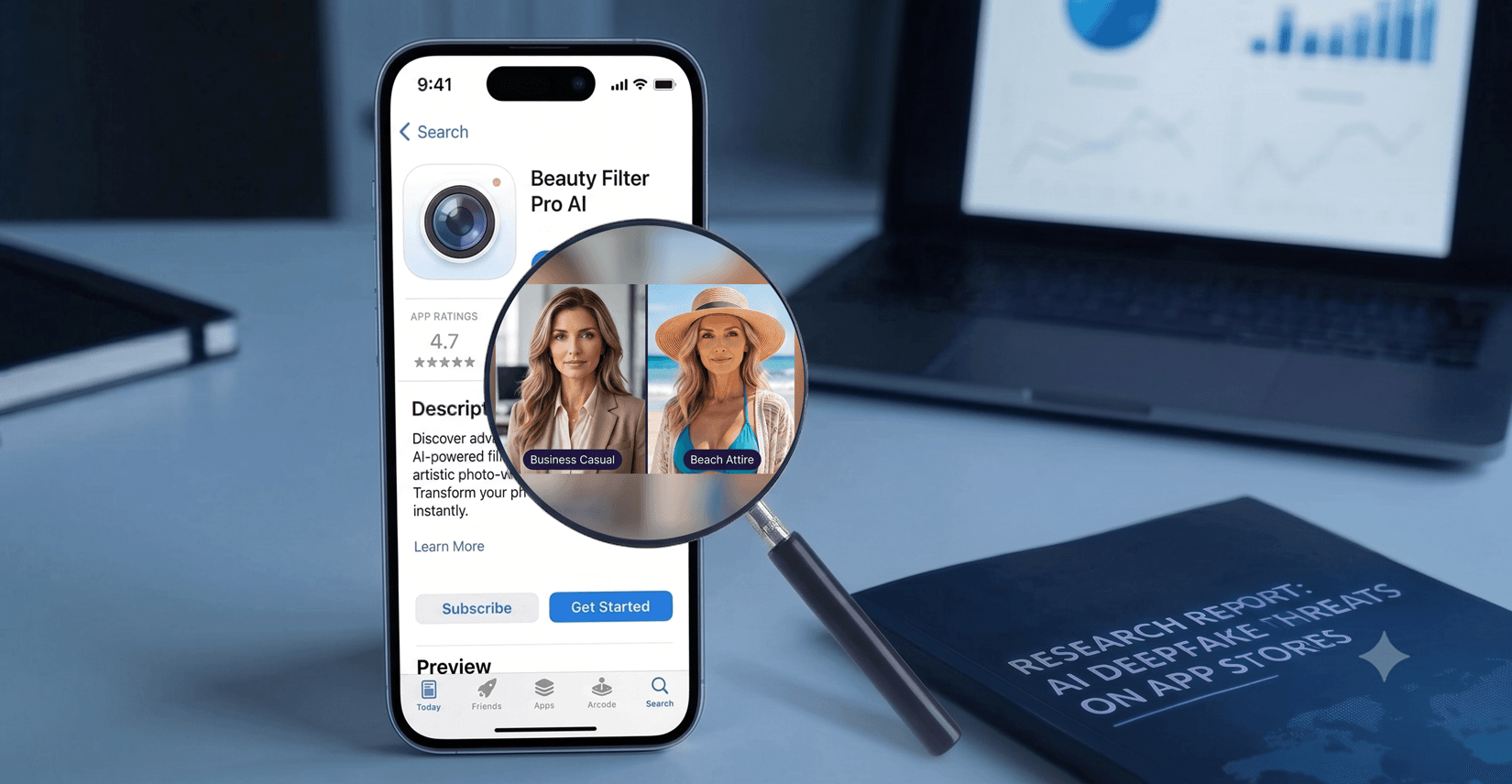
Over the last six months, Copyleaks researchers identified nearly 50 apps in Apple’s App Store that claim to use AI to generate sexually explicit deepfakes. Each app includes graphic examples of what users can create.
“There is virtually no barrier to entry for these services anymore,” said Alon Yamin, CEO of Copyleaks. “Our findings should concern anyone focused on digital safety and the spread of nonconsensual sexually explicit content online.”
The research aligns with growing concerns about how easily nonconsensual, sexually explicit content can be created and distributed using AI. In December 2025, for example, Copyleaks was the first company to identify Grok’s nonconsensual deepfake issue.
As Copyleaks reviewed the nearly 50 apps, several patterns emerged that are useful to highlight as the ecosystem grapples with a surge in nonconsensual content.
Finding #1: Understated App Store Descriptions
All of the apps reviewed promoted benign AI features in their App Store listings, such as AI-powered photo editing, video filters, or art. Unsurprisingly, none of the apps disclosed any explicit sexualized capabilities.


Once downloaded, however, users are presented with graphic, sexualized face and body-swapping features and templates.
In several reviews, users said they downloaded the apps based on their innocuous App Store descriptions/listings, only to discover the sexual content. This includes a self-reported underage reviewer who wrote:

Finding #2: Subscription-Driven
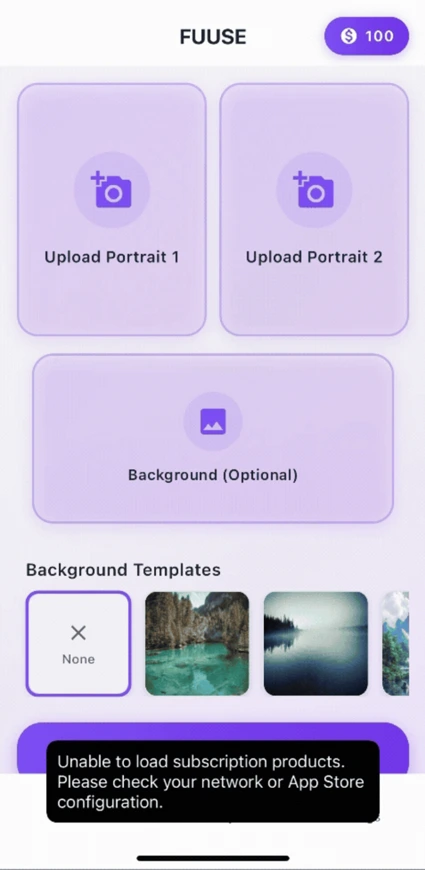
Virtually all of the apps identified allowed users to view templates for free but operated on a paid model, requiring subscriptions or virtual credits to use their features.
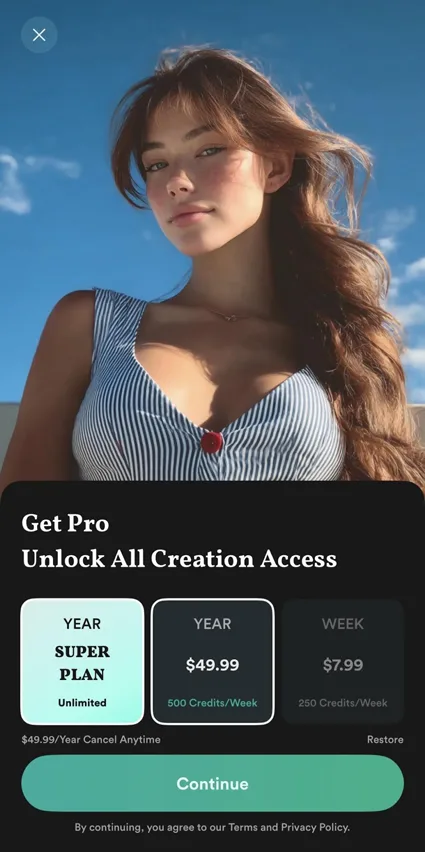
In some cases, users could “earn” credits by spending a certain amount of time in the app or uploading content for processing.

Finding #3: Some Apps May Be Scams
Copyleaks also identified apps that may be scams. Despite promising deepfakes, several apps appeared to rely on pre-recorded or fully synthetic videos for their templates, rather than videos created by processing photos. Additionally, user reviews reported that some apps stopped working entirely after payment or failed to deliver promised features.

Finding #4: TikTok as a Discovery Channel
Virtually all of the apps were discovered through ads served on TikTok. The ads were typically sexual in nature and featured examples of how the apps could be used to create graphic deepfakes.


In several examples, ads explicitly promoted nonconsensual use. These types of ads have been a recurring issue for TikTok, as documented by previous Copyleaks research.
Finding #5: Apps Restrict Screenshots and Recordings
Copyleaks found that a number of the apps blocked screenshots and screen recordings. These restrictions make it harder for researchers, journalists, and platforms to document and review the content users encounter after downloading the apps. They also make it more difficult to determine whether the images and videos featured within the apps are AI-created deepfakes, real people, or a combination of the two.
Finding #6: AI-Generated App Store Listings
The majority of the apps Copyleaks found featured AI-generated text in their App Store listings. In a sample of listings, Copyleaks’ AI detection identified 100% of the text as AI-generated.
Across the listings, descriptions repeatedly use common AI phrases about “transforming” photos, “bringing” images or imagination “to life,” and creating “stunning,” “cinematic,” “eye-catching,” or “high-quality” results. They also consistently promote ease of use with language like “one tap,” “no editing skills needed,” and “let AI do the rest.”


Copyleaks’ research raises important questions about platform oversight, app review processes, and the commercialization of sexualized deepfake technology. It also shows how AI detection can help app stores flag potentially risky apps for further review. For example, a new photo-editing or filter app with an App Store listing made entirely of AI-generated text and images could be a signal for additional vetting to ensure it meets the platform’s terms of service.
With that in mind, Copyleaks is announcing the availability of its AI Detector API for social media platforms and app stores. The Copyleaks AI Detector API can independently identify text and images generated by leading AI models, including ChatGPT, Gemini, and Claude, with enterprise-grade security and more than 99% accuracy at scale. As more apps are created and marketed with AI, Copyleaks can help social platforms and app stores identify potential risk signals and which apps may require additional review.
Deepfake apps are mobile applications that use generative AI to swap faces, bodies, or voices in photos and videos, producing synthetic media that appears to depict a real person. While some deepfake apps market themselves as photo editors, video filter tools, or AI art generators, Copyleaks research has found that many contain hidden sexualized face-swap and body-swap features that are not disclosed in their App Store listings. Users, including self-reported minors, often download these apps expecting benign functionality and encounter graphic content only after installation.
The legality and safety of deepfake apps depend heavily on how they are used and where the user lives. Many jurisdictions have introduced laws against nonconsensual intimate imagery, including AI-generated deepfakes, and creating or distributing sexualized deepfakes of real people without consent can carry serious legal consequences. Beyond legal risk, Copyleaks research identified deepfake apps that may function as scams, charging subscription fees or virtual credits without delivering the promised features. Users should also be aware that some apps block screenshots and screen recordings, making it harder to document what content is actually generated inside them.
Deepfake apps are typically distributed through mainstream app stores using understated listings that promote benign features like AI photo editing, video filters, or art generation. Discovery, however, happens elsewhere. Copyleaks research found that virtually all of the deepfake apps reviewed were surfaced through TikTok ads, which were often sexual in nature and, in some cases, explicitly promoted nonconsensual use. Most apps operate on a subscription or virtual-credit model, and the majority of their App Store descriptions were found to be entirely AI-generated, raising questions about app store review processes and platform oversight.
App stores and social platforms can identify potentially risky deepfake apps by using AI detection to flag signals that warrant additional review, such as App Store listings composed entirely of AI-generated text and images. A new photo-editing or filter app whose description is fully AI-generated may indicate a need for closer vetting to ensure the app complies with the platform’s terms of service. The Copyleaks AI Detector API is available for social media platforms and app stores to independently identify AI-generated text and images from leading models including ChatGPT, Gemini, and Claude, with more than 99% accuracy at scale and enterprise-grade security.