The Growing Role of AI in Insurance Fraud
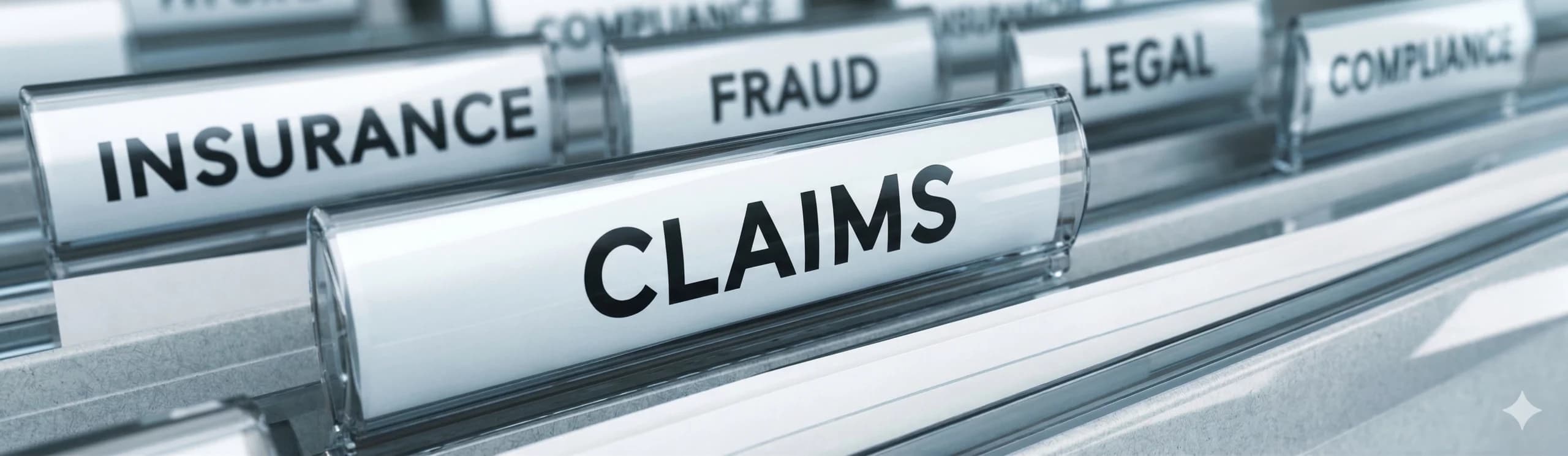
The insurance industry today is under assault from AI-abusing fraudsters, and their claims systems are struggling to keep up. Advancements in generative AI have led to startlingly convincing AI deepfakes and cheapfakes. Convincingly forged documents and doctored images are flooding insurers’ systems, disrupting traditional claims review processes. Human reviewers are overwhelmed, and automated claims systems often fail to detect the “uncanny valley” elements of AI-generated content.
The only realistic way for insurers to root out fraudulent images and text at scale is to use an AI detection platform . Fortunately, Copyleaks’ AI detection solution is showing industry-leading results for businesses across industries.
AI Is Amplifying Insurance Fraud
Thanks to browser-based AI platforms, forged medical reports, hospital receipts, and auto shop invoices are readily available to anyone, for only the price of a broadband connection. And these AI platforms and apps have become expert copiers of signatures, letterheads, and the appropriate tone for official documents.
In recent years, deepfake images and videos have become startlingly lifelike – and effective in misleading real human targets. Meanwhile, there’s been a dramatic uptick in adoption of cheapfake tools. While cheapfakes are lower-tech than cheapfakes, the use of conventional, low-tech technology to create these manipulated media assets enables fraudsters to be extremely prolific. Bad actors can create or edit deepfakes and cheapfakes of property damage, accidents, or even complex medical procedures in a matter of minutes. What’s more, generative AI now makes it possible to create entire fake customer profiles – starting with photos and information from official documents, then letting AI fill the gaps.
What AI Insurance Fraud Looks Like in Action
Insurers worldwide have noted a dramatic uptick in fraudulent insurance claims over the last few years – especially in auto claims. And insurers are pointing directly to commonplace AI apps, and their ability to produce convincing cheapfakes and other doctored images and videos, as the main driver of this phenomenon. Here are five areas where insurers are finding traditional fraud safeguards are at risk of breaking down:
- Fake medical documents. Medical bills, diagnoses and treatment recommendations, and even diagnostic imagery can be convincingly forged, often following the formats and branding used by real hospitals and medical centers.
- AI-generated or -manipulated damage photos. AI image generators can create counterfeit or altered photos and video depicting property damage, stolen goods, and more. Alternatively, image generators can enhance a real photo, making the damage look far more severe.
- Fake consumer profiles. AI tools can pull together publicly available records, including images such as passport or driver’s license photos, and augment this data with AI-generated content. These tactics are especially dangerous when they’re created using leaked private data.
- Counterfeit policy documents and signatures. AI tools are capable of altering fine details in real documents – manipulating account numbers, dates and times, notary stamps, and other minuscule elements.
- Synthetic video and voice. Deepfake and cheapfake audio can replicate a policyholder’s or witness’s voice, fooling voice verification systems in call centers. This tech can create whole video clips of accidents and events that never happened.
Current Claims Systems Are Overwhelmed
Automated systems are bearing the burden as the volume of incoming claims grows. Automation can quickly flag common abnormalities, like repetitive language or obfuscated personal details. Still, these systems are not engineered to flag realistically forged images, subtle text, or branding details. Automated claims systems may even miss stilted or nonsensical language that would clearly sound “off” to a human.
It’s prohibitively costly for insurers to meet the influx of AI-assisted fraudulent claims by ramping up manual reviews. And yet, as long as the problem persists, insurance businesses will continue to lose money by approving improperly vetted claims while devoting valuable resources and hours to manual vetting. The insurer can account for those losses by absorbing them or passing the cost along to customers through higher premiums. In an economy where businesses and consumers alike are extremely mindful of their budgets, neither is a wise or competitive choice.
Copyleaks Protection Stays Ahead of Fraud Tactics
Whenever new technology emerges, bad actors will find ways to use it for criminal activity. The challenge for honest businesses and consumers is to develop protective measures as quickly as fraudsters can develop new attack methods. Meanwhile, Copyleaks continually develops its AI content detection solution, staying ahead of fraudsters.
Copyleaks’ advanced image and text analysis stands out for its reliability in spotting AI-manipulated or synthetic content – including the current wave of deepfakes, cheapfakes, and finely detailed counterfeit documents entering insurers’ claims systems.
Copyleaks conducts forensic content analysis to identify inconsistencies, abnormalities, and digital artifacts indicative of generative AI, and traces images and text to their sources. And our solution integrates seamlessly with insurers’ claims review and risk assessment workflows, ensuring comprehensive protection and compliance.
AI content detection gives insurance professionals the means to stay ahead of fraud trends, rather than constantly playing catch-up with would-be criminals. Copyleaks is here to support insurers by pinpointing fraudulent claims before they’re approved, helping keep premiums competitive while strengthening the business’s bottom line.