The EU AI Act’s next deadline is December 2. Is your content ready?
What the EU AI Act means for enterprise content
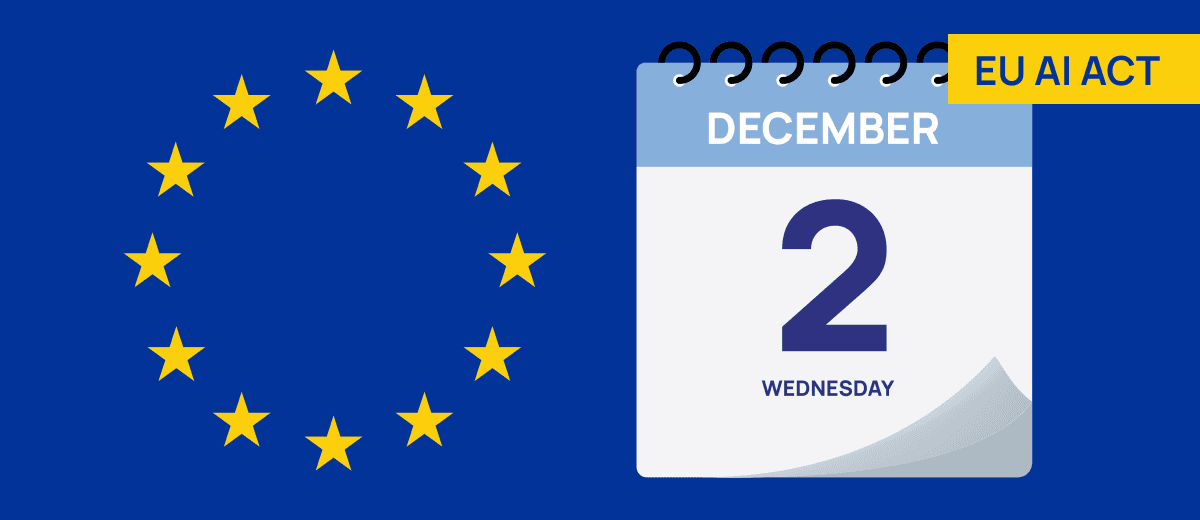
On December 2, 2026, the EU AI Act hits its next milestone. AI tools that were already on the market have to start marking what they make as AI, and tools that create fake intimate images are banned outright. That part is mostly about the companies that build AI. The part that matters for brands is simpler, and it’s already in force: if you publish AI-made content, you’re responsible for disclosing it.
If that sounds like a European problem, it isn’t. The European Parliament calls the AI Act the world’s first comprehensive AI law, and like GDPR, it reaches well past Europe’s borders. If your AI-made content is used in the EU, the rules can apply to you, wherever you’re based.
So the real question for most businesses is: do you know what’s AI before you publish it? Here’s what the law asks for, who it affects, and what you can check today.
Brands are on the hook for what they publish
The AI Act splits the work into two jobs. Companies that make AI tools (providers) have to add a hidden mark, like a watermark or metadata, that software can detect. Businesses that publish content (deployers) have to add a label people can actually see. Since August 2, 2026, that label has been required for:
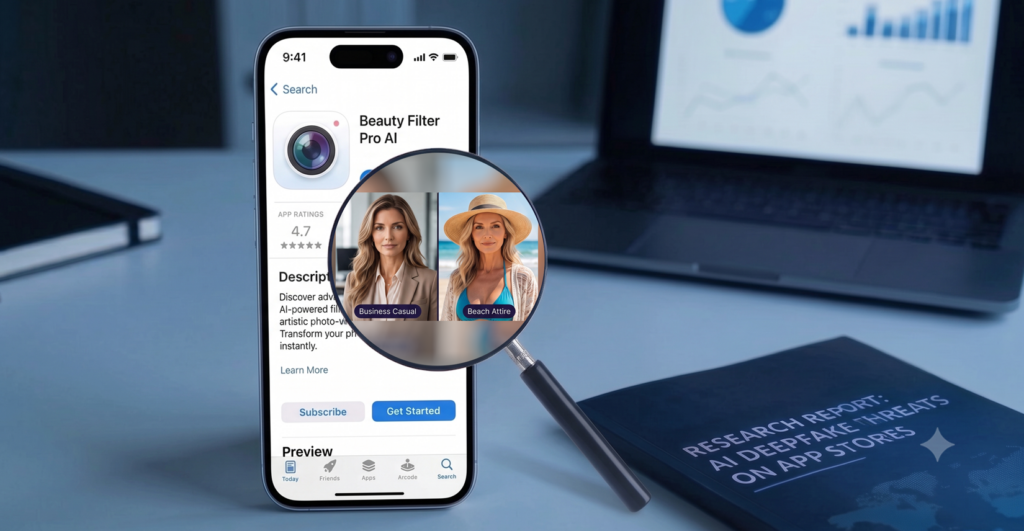
- Deepfakes, meaning images, audio or video that AI has created or altered to look like real people, objects, places, entities or events, in a way that would falsely appear to be authentic or truthful.
- AI-written text on matters of public interest, such as news, health or consumer information, unless an editor genuinely reviews it and your organization takes responsibility for it.
The label has to be clear the moment someone sees the content. A line in your terms of use or a general AI policy page won’t cover it.
The European Commission’s guidance on these rules also leaves brands less room than many expect. A deepfake needs a label even if no one meant to mislead. Ads and campaigns rarely qualify for the lighter disclosure allowed for creative or satirical work, because when content mixes creative and informative elements, the guidance treats it as informative. And “public interest” is read broadly enough to cover some press releases and corporate communications, such as announcements about health, consumer safety, or economic and financial developments of public relevance.
This guide to Article 50 walks through the details and exceptions.
These rules reach further into everyday marketing and content deployment than most teams expect:
- Social media. A realistic AI-generated product shot or a synthetic voiceover in a video may need a label, for example if it makes the product look better than it really is or the voice sounds like a real person.
- Agency and freelancer work. If an agency or creator uses AI on your campaign, someone still has to label it, and it’s your brand on the post.
- User and creator content you share. The legal duty mostly sits with whoever used the AI, but once you repost it, your name is attached. You can’t make the right call without knowing what’s AI.
- Content you republish. The rules apply to what you publish from August 2 on. If you republish older AI-made materials, it’s safe to treat it as new content. So, it’s worth checking what’s already live, too.
Not sure how much of your published content this touches? Book a free consultation with an AI detection expert.
“We didn’t know it was AI” isn’t an out and why watermarks aren’t enough
This is where most companies are exposed. AI rarely arrives through one approved tool. It comes in through freelancers, agencies, stock libraries, user submissions and tools employees signed up for on their own. Once it’s published under your name, your audience, your partners and regulators will look to you, not your freelancer.
Watermarks help, but they don’t do the job for you. The EU AI Act requires AI tools to add a hidden watermark or metadata so software can recognize their output. That’s useful, but it’s a signal for machines, not a label for people. Whether or not content carries a watermark, it’s still your job to identify AI content and add a visible label where the rules require one.
And you can’t count on the watermark being there. Marks can be stripped when a file is edited, exported, or re-uploaded, and not every tool your contributors use will add them. People can’t reliably spot AI by eye either. In a 2026 study, experienced reviewers spotted AI-written text only 52.5% of the time.
Our view is simple. If it’s going out under your name, check it first.
How to check for AI-generated content before you publish
Building AI review into your workflow before content goes live is far easier than fixing it afterward. A problem caught before publishing is an edit. One caught after is a correction, a takedown, or a call with your legal team. A few steps get you there:
- Find where AI enters your content. List the AI tools your teams use, including ones people signed up for on their own, and ask agencies and freelancers how they use AI.
- Put a check in your publishing workflow. Scan text, images, and video before they go live, so the right label goes on the first time.
- Name who makes the call. Detection flags the content; a person decides whether it needs a label and records the decision.
- Look back at what’s live. Run a sample of published content through the same check to see where AI slipped in unnoticed.
If you haven’t been labeling since August 2, December 2 is the moment to get it right. Enforcement is already live, and the first cases could land any time.
How Copyleaks detects AI-generated content before (and after) you publish
Checking content before it goes live is what Copyleaks is built for. The Copyleaks AI Detector, AI Image Detector and AI Video Detector identify AI-generated and manipulated text, images, video and voice, even when there’s no watermark or metadata.
Detection fits into the tools you already publish with, whether our API, WordPress, Browser Extension or an MCP connector for AI agents. Every result is documented, so your team has a record behind each labeling decision.
Get a walkthrough of Copyleaks built around your content and publishing workflow. Book a demo.
EU AI Act FAQ: what enterprises need to know before December 2
Does the EU AI Act apply to US companies? Yes, if your AI-generated content is used in the EU. Under Article 2, the AI Act covers companies anywhere in the world when their AI output reaches EU audiences, much as GDPR covers data about people in the EU.
What content needs an AI label under the EU AI Act? Under the EU AI Act, businesses must label deepfakes and AI-generated text published to inform the public on matters of public interest, unless it has had substantive human editorial review. Deepfakes in evidently artistic, creative, satirical or fictional work still need a disclosure, but it can be lighter.
What changes on December 2, 2026? Generative AI tools placed on the market before August 2, 2026 must start adding machine-readable marks to their output, and AI systems that create non-consensual intimate imagery or child sexual abuse material are banned. Labeling duties for businesses that publish AI content have applied since August 2, 2026.
If my AI tool watermarks its output, do I still need to label it? Yes. A watermark is a hidden signal for software, added by the AI provider. The label is a visible notice for people, and it’s the publisher’s job. Watermarks can also be stripped when files are edited or re-uploaded.
What are the penalties for not labeling AI content in the EU? Under Article 99, up to €15 million or 3% of worldwide annual turnover for transparency violations, and up to €35 million or 7% of worldwide annual turnover for banned practices. Large companies face whichever figure is higher; smaller businesses face lower caps.
How can I check whether content is AI-generated before publishing? Use an AI detection tool that covers every format you publish, built into your publishing workflow so content is checked before it goes live. Detection tells you what’s AI, so you can label it correctly.
This article provides general information, not legal advice. Consult with qualified counsel about your organization’s obligations.
Want to see how leading enterprises know what’s AI before they publish?
Book a Meeting