13 striking stats on AI fraud: How AI-faked photos and receipts cost businesses billions
A photo, a receipt or a scanned document used to settle the question. Today, each one can be faked in seconds, and the bill lands on the teams that approve claims, refunds and payments. These are the numbers worth knowing, and what they mean for how you review claims, refunds and expenses.
The cost of AI fraud is already counted in billions
1. $40 billion. Deloitte’s Center for Financial Services projects that generative AI could push US fraud losses to $40 billion by 2027, up from $12.3 billion in 2023. That is a 32% annual growth rate. The forecast was published in 2024 and focuses on banking, but the FBI also identified a 26% increase for 2025 in cyber crime losses (to $21 billion), with $893 million in AI-enabled fraud.
2. $100 billion. Appriss Retail estimates US shoppers returned $706 billion of merchandise in 2025. About 14.2% of it, roughly $100 billion, was preventable loss from fraud and abuse.
3. $308.6 billion. That is the Coalition Against Insurance Fraud‘s estimate of what insurance fraud costs the US economy each year.
4. 99% of insurers say they have already encountered manipulated or AI-altered documentation. 98% agree AI editing tools are driving the rise in digital insurance fraud (Verisk, March 2026).
5. 71%. UK insurer Admiral said the fraudulent claims it detected rose 71% in value in 2025, to £86.8 million, and that AI is increasingly used to create realistic photos for exaggerated claims.
Are AI-faked photos slipping into your workflow?
Talk to an expertWhy AI-faked photos and receipts are spreading so fast
6. 36% of US consumers would consider digitally altering a claim image or document to strengthen their case, even if it broke the insurer’s rules. Among Gen Z, the figure is 55% (Verisk).
7. 41% of consumers know someone who has used AI editing tools to alter a photo, video or document for financial gain, including insurance claims, product returns and online sales (Verisk).
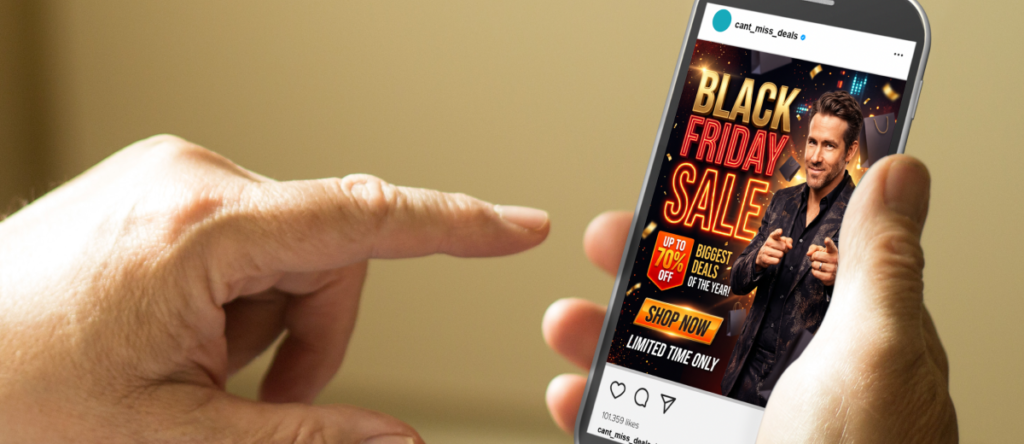
8. 24% of consumers have tried a social media “hack” to get a refund, discount or free item. 37% have seen posts, groups or channels that teach or sell fraud methods (Sift, Q3 2026).
9. 4.4 million people watched one TikTok showing how ChatGPT made cooked chicken wings look raw to win a $39.24 DoorDash credit. One small refund became a tutorial.
10. 40% of US employees surveyed by Emburse said they had used AI to generate a fake expense receipt. At AppZen, AI-made receipts were 70.8% of the fraudulent receipts its customers flagged by mid-May 2026, up from zero in March 2025.
11. 20 seconds. That is how long Gemini took to add convincing water damage to a ceiling photo in a Copyleaks test, from a six-word prompt.


Even experts struggle to spot AI-faked images
12. 66% of insurers believe digital media fraud goes undetected often or very often. Only 32% are very confident they could identify a deepfake (Verisk).
13. 41%. In a study published in Radiology, only 41% of radiologists spontaneously flagged AI-generated X-rays when they weren’t told fakes were in the set. Once told, their accuracy averaged 75%.
What the numbers mean for your fraud detection strategy
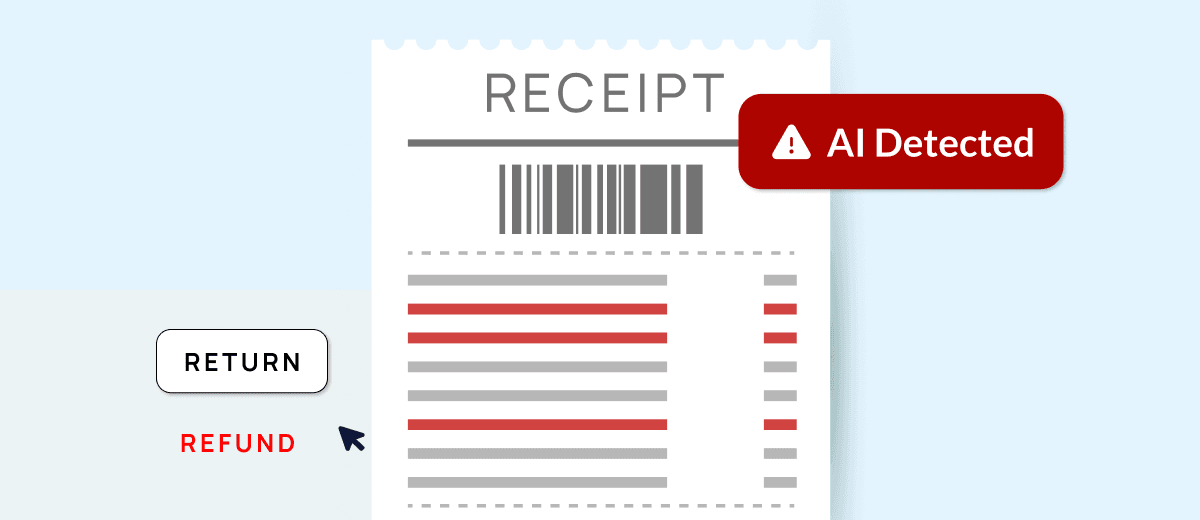
Two costs pull against each other: paying out on faked photos and receipts, and slowing down or turning away honest customers. Adding friction everywhere just trades one cost for the other. What works is a check at intake that shows your reviewer exactly what changed in a photo or scanned image. Clear cases move fast, and suspicious ones get a closer look with the AI insights attached.
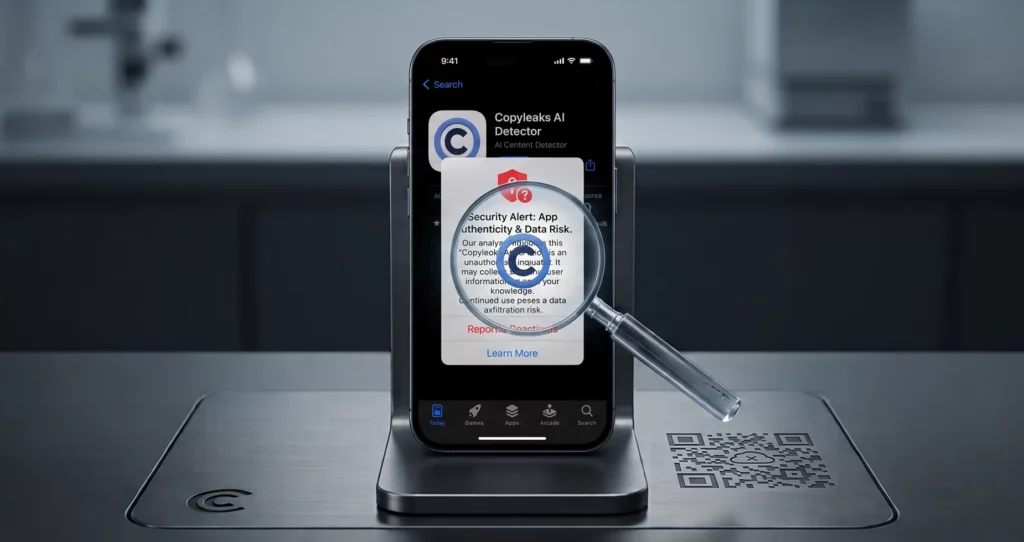
That is how the Copyleaks AI Image Detector approaches it. Pixel-level detection checks photos and scanned images, from claim photos to pictures of receipts, for AI generation or editing, even after metadata and watermarks are stripped, and a red overlay marks the region that changed for deeper review by your team
Send us a few sample photos or receipts, and we’ll show you the results.
Book a MeetingIn summary
- Faking evidence now takes seconds. In a Copyleaks test, Google’s Gemini added convincing water damage to a living room photo in about 20 seconds, from a six-word prompt.
- Everyday customers and employees are doing it. 36% of US consumers would consider altering a claim image, and 40% of US employees say they’ve used AI to fake a receipt.
- It’s growing fast. At AppZen, AI-made receipts went from 0% to 70.8% of flagged fraudulent receipts in about 14 months.
- Honest customers pay too. Insurance fraud adds about $933 a year per American in higher premiums.
- Checking images helps. AI image detection can flag edited photos and receipts before payout, without slowing down claims and refunds.
Example images were created by Copyleaks for illustration only and do not depict real customer claims.