Black Friday AI scams: How to check a “celebrity” deal ad before you click
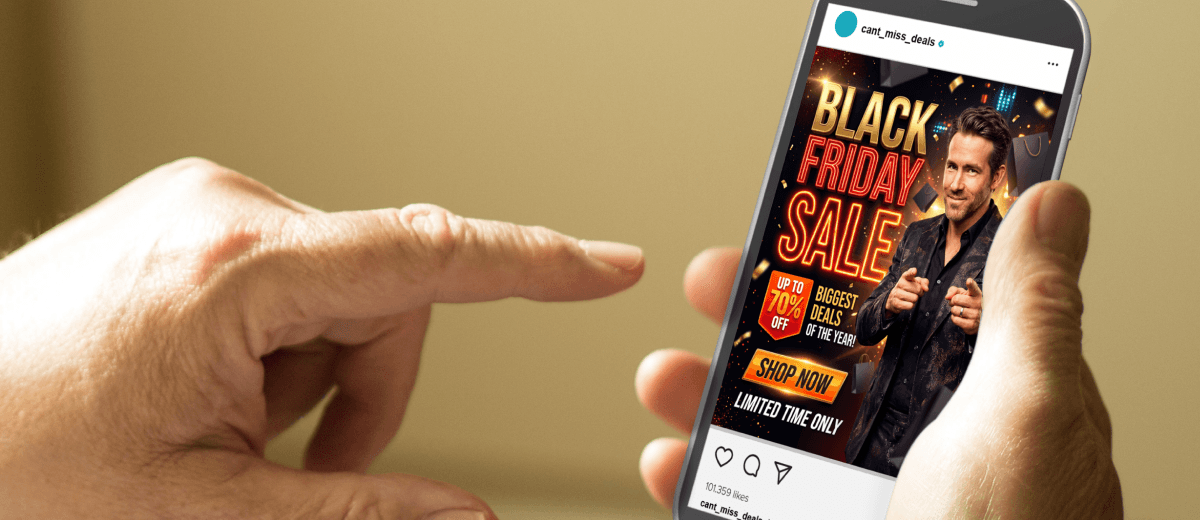
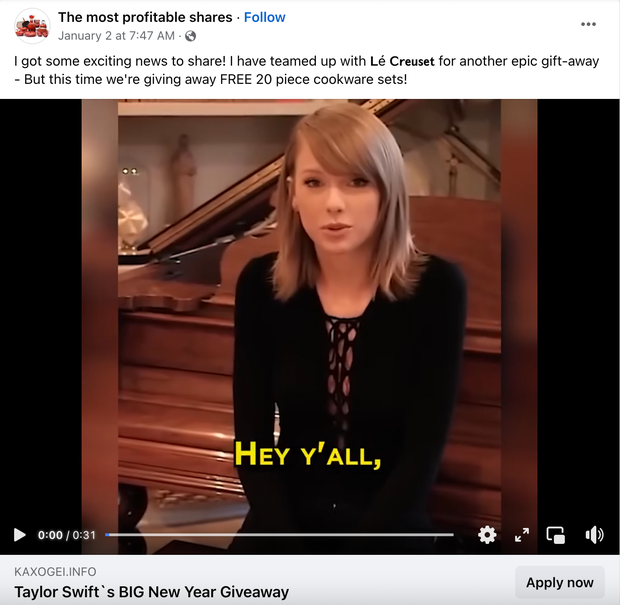
Black Friday ads are everywhere this week, and some of them are fake. Last year, researchers cited by PCWorld tracked a wave of Black Friday scams built with generative AI: entire fake shops with legitimate-looking logos, product images and reviews, plus deepfake videos of celebrities promoting “exclusive” deals. According to the Austrian fact-checking group Mimikama, quoted in the article, thousands of fake shops and campaigns can be created in a matter of days, and the celebrities involved are often unaware of them.
Most scams don’t reach the authorities. In a Stop Scams Alliance and Gallup survey of 5,173 US adults fielded in early 2026, only 13% of scams were reported to the FTC or federal law enforcement, and 12% of scams involved AI or a deepfake. The survey estimated about $68 billion in scam losses for 2025.
How AI deepfake ads and fake shops fool Black Friday shoppers
A fake deal used to give itself away with a blurry logo or broken English. Today’s AI tools make it easy to fake all of that convincingly. The images are sharp, the product photos look like studio shots, the reviews read naturally, and the celebrity in the video appears to be speaking directly to you.
Shoppers have noticed: 70% of consumers in the Deloitte Connected Consumer Survey said AI-generated content makes it harder to trust what they see online, and 68% worried they could be fooled or scammed by it.
Four signs a Black Friday deal ad is an AI scam
Run through these before you enter a card number.
- A celebrity is selling something they have no reason to sell. Check the person’s verified accounts or the brand’s own site. If the deal isn’t there, assume the ad is fake.
- The face or voice is slightly off. Look for stiff expressions, lip movements that don’t match the words and lighting that shifts across the face. PCWorld lists these as common deepfake tells.
- The product photos are too perfect. Studio-clean images with no other listings anywhere online can be generated. Search for the product name and see whether real retailers carry it.
- The Store doesn’t add up. The web address is almost right, or the site pushes bank transfer, crypto or gift cards, leave. Type the brand’s address yourself, and pay with a method that offers chargebacks.
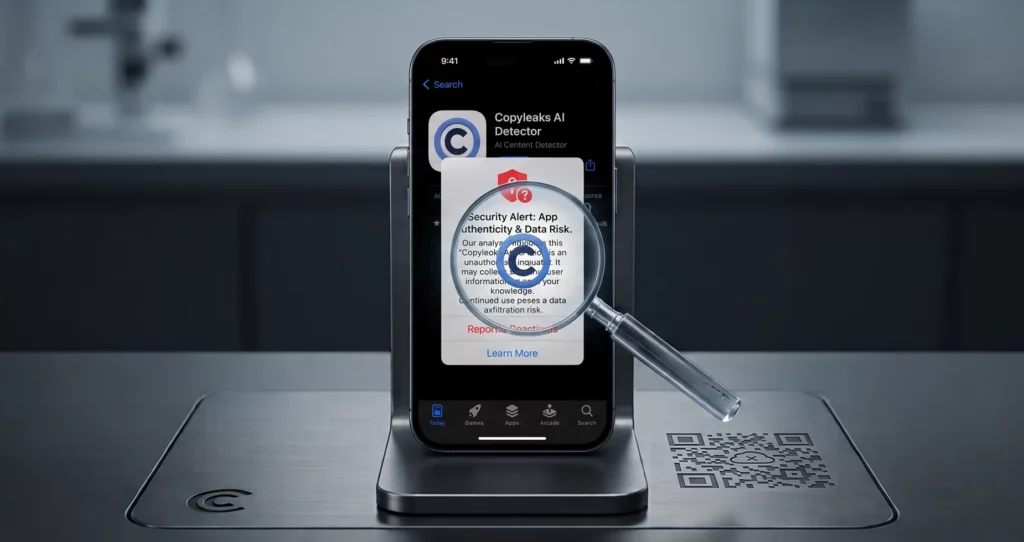
At Copyleaks, we build AI image and video detection that businesses use to check whether what they’re seeing is real. Our free browser extension brings an image check to your screen while you shop.
The same AI fakes are reaching refund desks
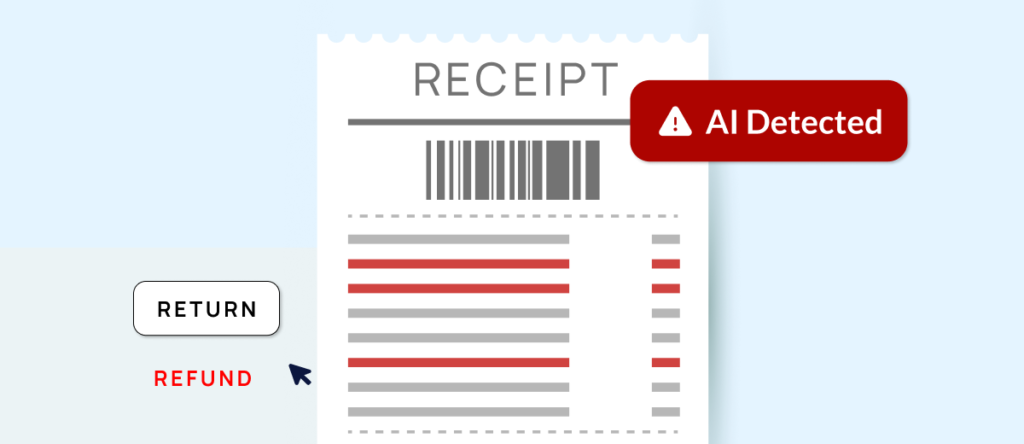
The tools that build a fake celebrity ad also edit a product photo after the sale. A shopper who received a perfectly good sweater can add a tear to the photo. A real parcel photo can be edited to look crushed. Scammers use AI to fool shoppers. Some shoppers use the same tools to fool sellers.
Retailers are seeing more of it. Sift’s Q3 2026 Digital Trust Index found that 24% of consumers have tried a social media “hack” to get a refund, discount or free item. We cover how returns teams handle AI-faked damage photos in our holiday refund fraud playbook.
How Copyleaks AI image detection checks a suspicious ad or photo
Copyleaks AI Image Detection checks an image at the pixel level for signs of AI generation or editing, even after metadata has been stripped. A red overlay marks the regions that were generated or manipulated, and a heatmap shows where to look. For a deal ad, that might be the celebrity’s face. For a product listing, it might be the product itself.
The result is a set of insights, not a verdict. It shows you what looks generated and where, and you decide whether to trust the deal.
Spot fake ads before you pay. Try the free browser extension on your next “too good to be true” deal.
Try it for free